More than a camera: How pet monitoring gave me back peace of mind every single day
You know that nagging worry when you leave the house? Is the dog okay? Did I leave the window open? What if something happens and I don’t know? I used to check my phone constantly—until I started using a pet safety monitor. It wasn’t just about watching my cat anymore; it became a quiet source of comfort, helping me stay connected and calm, even when I was miles away. This is how it changed my daily life. It’s not magic. It’s not flashy. But it’s one of the most grounding decisions I’ve made—not just for my pet, but for myself.
The Anxiety of Leaving Home (And Why I Couldn’t Shake It)
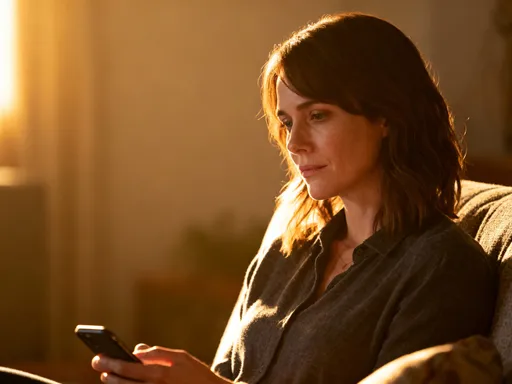
I never thought I’d be the kind of person who worried this much. I’ve always considered myself practical, level-headed. But the moment I adopted Luna, my little tabby cat, something shifted. Suddenly, leaving the house wasn’t just about locking the door and grabbing my keys. It was a full mental checklist: Did I fill her bowl? Is the litter box clean? Is the heating on just right? And most of all—will she be okay without me? At first, I thought it was just new-pet jitters. But weeks turned into months, and the guilt didn’t fade. If anything, it grew heavier. I’d catch myself glancing at the clock during meetings, wondering if she was lonely. I’d drive home a little faster, just to make sure she hadn’t knocked over a plant or scratched the door again. One afternoon, I came back to find the kitchen in chaos—her water bowl tipped, kibble scattered across the floor, and a faint meow coming from under the couch. My heart dropped. Was she hurt? Scared? I had no idea what had happened in those few hours I was gone. That moment hit me hard. I realized I wasn’t just worried about her—I was carrying this low hum of anxiety all day, every day. It wasn’t fair to me, and it wasn’t fair to her. I needed a way to know she was safe, not just assume it. I didn’t want to hover. I just wanted to feel present, even when I wasn’t physically there. That’s when I started looking into pet monitoring—not because I wanted to turn my home into a surveillance lab, but because I wanted to breathe again.
Choosing the Right Monitor: Simplicity Over Specs
When I first started researching pet cameras, I felt completely overwhelmed. The options were endless—high-definition video, night vision, treat dispensers, motion tracking, smart home integration. It sounded like I was buying a spaceship, not a device to check on my cat. I’ll admit, I got sucked into the specs for a while. I read reviews comparing frame rates and field of view angles, and honestly? It made my head spin. I wasn’t trying to become a tech expert. I just wanted something that worked when I needed it. So I took a step back and asked myself: What do I actually need? The answer was simple: I needed to see Luna clearly, hear her if she was meowing, talk to her if she seemed anxious, and get an alert if something unusual happened—like sudden movement or loud noises. I didn’t need a treat launcher. I didn’t need 4K resolution. I needed reliability. I also needed it to be easy. I’ve had gadgets before that required endless setup, confusing apps, or frequent reboots. I didn’t want to spend my evenings troubleshooting. So I focused on three things: setup time, app design, and real-world usability. I looked for a camera that could be up and running in under 15 minutes. I paid attention to how intuitive the app felt—could I check in with one tap? Were the alerts clear, or just random pings I’d learn to ignore? I even asked a friend to test one with me, pretending I was stressed or in a rush. Could I still figure it out? In the end, I chose a model that wasn’t the most advanced, but it checked all my real-life boxes. The video was clear enough, the two-way audio worked instantly, and the alerts actually made sense. Most importantly, I didn’t have to think about it. It just worked. And that, I’ve learned, is the real luxury when you’re juggling work, home, and a living, breathing companion who depends on you.
The First Real Test: When the Monitor Actually Helped
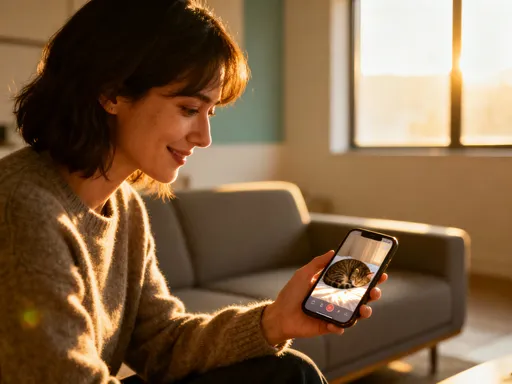
For the first few days, the camera felt like a nice novelty. I’d peek in and smile when I saw Luna curled up on the windowsill, basking in the afternoon sun. It was comforting, but I wasn’t sure it was essential. Then, one Tuesday afternoon, everything changed. I was in the middle of a team meeting when my phone buzzed. Not a text. Not an email. A push notification from the pet monitor: Unusual activity detected. My stomach tightened. I discreetly pulled out my phone and opened the app. The screen lit up with a live feed—and there was Luna, stuck behind the couch, her paw caught in the gap between the cushion and the wall. She was meowing frantically, trying to wriggle free. My heart raced. I couldn’t leave the meeting. I couldn’t drive home. But I wasn’t helpless. I tapped the two-way audio button and said her name softly. “Luna, it’s okay. Mama’s here.” She paused, turned her head toward the camera, and let out a smaller meow. I kept talking, soothing her, while I texted my neighbor who lives just down the hall. Within five minutes, she was at my door, gently pulling Luna free. I watched it all happen through the camera. When Luna finally scrambled out and started grooming herself like nothing had happened, I exhaled—deeply, fully—for the first time in what felt like hours. That moment changed everything. This wasn’t just a camera. It wasn’t just a way to check in. It was a lifeline. It gave me the power to respond, to comfort, to act—even from a distance. I realized then that peace of mind isn’t about controlling every moment. It’s about knowing you’re not blind. You’re not out of the loop. You’re still part of the story, even when you’re not in the room.
Building Daily Routines Around Peace of Mind
Now, checking in on Luna is as natural as making my morning coffee. It’s woven into my day in small, quiet ways that add up to something bigger. Before I join a virtual meeting, I take a 10-second glance at the app. If I see her sleeping peacefully on her favorite blanket, I feel grounded. If she’s playing with her crinkle ball, I smile and carry that little burst of joy into my work. On rainy days, when thunder rolls in, I watch for signs of anxiety—does she hide? Does she pace? Now I can turn on the audio and call her name, or even play calming music through the speaker if she seems unsettled. It’s not about hovering. It’s about being present in a way that works for both of us. I’ve noticed something surprising, too: the more I check in, the less I feel the need to. It’s like my brain finally believes she’s okay. The constant mental loop—Is she fine? Should I go home?—has quieted down. I used to carry a low-level panic in my chest all day. Now, I carry a quiet confidence instead. And that shift has changed more than just my pet care. It’s changed how I move through my day. I’m more focused. I’m less distracted. I don’t rush home out of guilt. I come home because I want to, not because I feel I have to. The monitor didn’t replace my role as her caregiver. It simply gave me the space to be better at it—calmer, more intentional, more present when I’m actually with her. That’s the gift I didn’t expect: not just watching her, but reclaiming my own peace.
Learning My Pet’s Patterns—And Understanding Her Better
One of the most unexpected benefits of using the monitor has been the window it’s given me into Luna’s world. Before, I only saw her in fragments—when I fed her, when I played with her, when I came home. But with the camera, I’ve started to notice patterns I never would have caught otherwise. For example, I realized she gets anxious around 3 p.m. every day—the time the building’s maintenance team does their rounds. The sound of the elevator or a distant drill would send her darting under the bed. I never knew that before. I just thought she was being “moody” sometimes. Now, I leave calming music playing during that window. I also noticed she completely ignores one of her most expensive toys—a fancy feather wand I bought online—but goes crazy for a simple cardboard tube from a paper towel roll. That taught me something important: she doesn’t care about price tags. She cares about texture, movement, and predictability. I started making small changes based on what I observed. I moved her bed away from the noisy hallway. I adjusted her feeding schedule so she wasn’t hungry during the evening hours when I’m on calls. I even introduced a second litter box after noticing she sometimes hesitated to use the one near the kitchen. These weren’t big renovations. They were tiny tweaks, but they made a visible difference. Luna seems more relaxed. She naps more deeply. She plays more freely. Watching her through the camera didn’t make me a detective. It made me a better listener. I’m not just caring for her body anymore—I’m paying attention to her emotional rhythm, her preferences, her quiet needs. And that, I’ve learned, is the heart of true companionship.
Why This Isn’t Just for Pet Emergencies
When I first got the monitor, I thought of it as a safety tool—something for emergencies or peace of mind when I traveled. But over time, its role in our lives has grown. It’s become a part of our everyday connection. For instance, when Luna started sneezing more than usual, I used the camera to record a short video of her behavior—how she moved, how much she ate, whether she was hiding more than normal. I sent it to her vet before our appointment, and the doctor said it helped them make a faster diagnosis. That felt powerful. I wasn’t just guessing. I had real information. The monitor has also helped with training. When I was teaching her to stay off the kitchen counter, I used the two-way audio to gently redirect her in the moment. It wasn’t about punishment—it was about consistency. And because I could respond quickly, she learned faster. But perhaps the most personal benefit has been for me. I work from home sometimes, but I also have days when I’m in the office or at a client meeting. Before, I’d feel guilty about being away. I’d wonder if I was neglecting her. Now, I don’t have to wonder. I can see her living her life—grooming, stretching, chasing a sunbeam—and know she’s not waiting for me in silence. She’s not lonely. She’s just being a cat. And that has lifted a weight I didn’t even realize I was carrying. This isn’t about surveillance. It’s not about control. It’s about care that extends beyond physical presence. It’s about saying, “I see you. I’m here. You’re not alone.” And in a world that often pulls us in ten different directions, that kind of connection is priceless.
A Small Device, A Big Shift in How I Live
If someone had told me a year ago that a small camera in the corner of my living room would change my life, I might have laughed. It sounds dramatic. But here’s the truth: this little device didn’t just help me care for Luna. It helped me care for myself. It gave me back a sense of balance I didn’t know I’d lost. I used to feel torn—like I was never fully present, either at work or at home. Now, I feel more whole. I can focus on a project without the background noise of worry. I can enjoy time with friends without checking my phone every five minutes. I can even take a deep breath and just be, knowing that if something matters, I’ll know. The real value of the pet monitor isn’t in its pixels or its alerts. It’s in the quiet confidence it brings—the knowledge that I’m not blind, I’m not helpless, I’m not disconnected. It’s in the way it’s strengthened my bond with Luna, not weakened it. And it’s in the way it’s reminded me that technology, at its best, doesn’t replace human connection. It supports it. It extends it. It makes space for love to breathe, even when life gets busy. So no, this isn’t just about a camera. It’s about reclaiming peace. It’s about showing up—fully, calmly, intentionally—for the life and the love that matter most. And honestly? That’s worth every penny.