I kept saying ‘We’ll do it someday’—now our family actually does it together
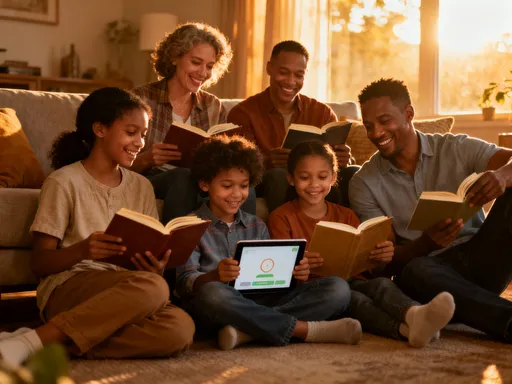
How many times have you promised to start a family tradition, only for it to get lost in the daily rush? You’re not alone. Between busy schedules and scattered lives, keeping family connected feels harder than ever. But what if the tools to bring everyone closer were already in your pocket? This is the story of how small digital habits transformed vague good intentions into real, shared moments—ones we look forward to, remember, and pass on. It didn’t take a reunion or a holiday. It started with a photo, a text, and the quiet decision to show up—even when life said otherwise.
The Tradition That Never Happened (Until Now)
For years, our family talked about starting something meaningful. Something we could pass down. Maybe it was a handwritten recipe night, where everyone brought one dish from a generation before. Maybe it was a yearly letter we’d all sign and mail to each other. Or a memory jar where we’d drop notes about the year’s big moments. We’d talk about it at Thanksgiving, smile, say, “We should really do that someday.” And then January would come, and the kids’ schedules would fill up, and work would pile high, and “someday” would vanish into silence.
I used to think the problem was time. But it wasn’t. The real issue was momentum. Starting something new takes energy, and when everyone’s scattered—some in different time zones, some with tiny babies, some caring for aging parents—it’s easy for the spark to die before it catches. Then one day, my sister did something simple. She created a shared photo album on our family cloud storage and sent a message: “Add anything that felt like ‘us’ this week.” No rules. No pressure. Just a soft invitation.
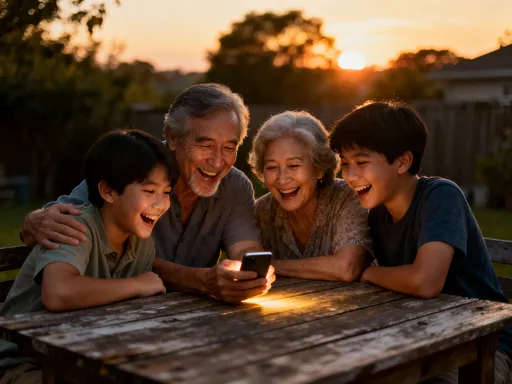
I added a blurry picture of my daughter trying to bake cookies and laughing at the mess. My brother dropped in a voice note of his toddler singing a made-up song about the dog. My mom shared a scan of an old birthday card my grandfather had sent her in the 80s. No one had to plan it. No one had to travel. But suddenly, we were together. Not in person, but in spirit. And for the first time, “someday” didn’t feel like a promise we kept breaking. It felt like something we were actually living.
From Forgotten Phones to Family Rituals
Like most families, we already had a group chat. It was the kind of thread full of grocery lists, dentist appointment reminders, and the occasional “Who has Dad’s insurance card?” But it wasn’t exactly warm. It was useful, sure, but not meaningful. Then one day, my cousin sent a photo of her grandmother’s kitchen—wooden cabinets, a faded calendar, a coffee mug with chipped paint. “This is where she taught me to make pie,” she wrote. Something shifted in the chat. People started replying with their own memories. “My grandma had that same mug.” “I remember the smell of her cinnamon rolls.”
That’s when we decided to repurpose the chat. Instead of just using it for logistics, we turned it into a living scrapbook. We set a tiny ritual: every Sunday evening, someone would send a reminder—“Add one memory”—and the rest of us would share something small. A photo. A voice message. A line from a family joke. No one had to be perfect. No one had to edit. It wasn’t about creating a polished archive. It was about presence. And slowly, that little notification became something we looked forward to. Not because it was exciting, but because it felt like coming home.
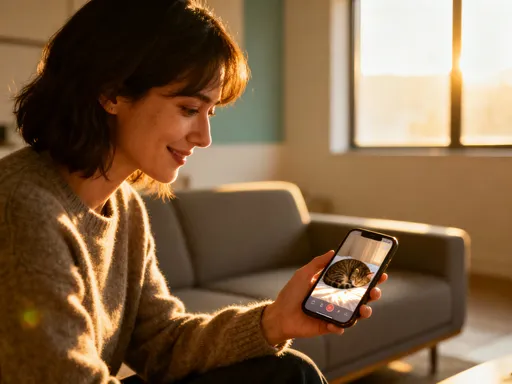
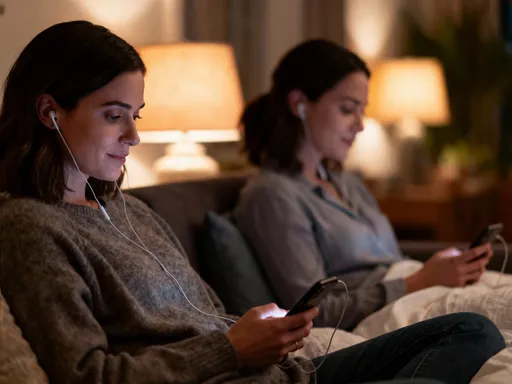
What surprised me most was how it changed the rhythm of our week. Before, Sundays were for chores and last-minute prep for Monday. Now, there’s this soft pause. I’ll be folding laundry, and my phone dings. I’ll smile before I even open it. Sometimes I’ll record a quick voice note while walking the dog: “Today, my son said, ‘Grandma’s laugh sounds like a popcorn machine.’ I made him repeat it three times.” It’s not much. But it’s ours. And over time, those small moments started to feel like a real tradition—one that didn’t require a special occasion to begin.
The Hidden Power of Tiny Digital Habits
We used to think traditions had to be big. A yearly trip. A holiday dinner. Something that needed planning, time off work, and everyone in the same room. But the truth is, the biggest barrier to tradition wasn’t logistics. It was consistency. Life changes. People move. Kids grow. Jobs shift. Waiting for the “perfect moment” meant we never started at all.
What changed everything was the idea of micro-participation. Instead of asking everyone to commit to a full event, we asked for just a little—five seconds, one sentence, a single photo. That tiny threshold made all the difference. Suddenly, even the busiest person could join. My sister, who works nights at the hospital, started sending voice notes after her shift. “Just wanted to share that the baby said ‘mama’ today.” My teenage nephew, who rarely speaks up in family calls, began sharing memes that referenced inside jokes from ten years ago. “Remember when Uncle Frank tried to grill pancakes?”
These fragments might seem small, but when collected over time, they form something powerful: a shared knowledge bank. Not just of events, but of who we are. The way we laugh. The phrases we repeat. The things that make us roll our eyes or burst into tears. Technology didn’t create the connection—but it gave us a way to capture it, piece by piece, without needing a camera crew or a holiday to begin. And because it was so low-pressure, people stayed in it. Not because they had to, but because they wanted to.
When Aunt Linda Joins the Thread
One of the most beautiful surprises was seeing the quietest members of our family start to speak up. Aunt Linda, who rarely talks on group calls and usually just listens, began sharing scanned copies of old letters her mother had written. “I found these in a box,” she wrote. “Thought you might like to see them.” They weren’t formal. They were messy, full of crossed-out words and coffee stains. But they were real. And reading them felt like stepping into a moment we’d never lived, but now could feel.
Then my cousin posted a voice recording of her grandmother reciting a family recipe—“Two cups of flour, a pinch of love, and don’t rush the butter.” You could hear the smile in her voice. That recording did more than teach us how to make the pie. It preserved her presence. Her tone. Her rhythm. It wasn’t just data. It was love, coded in sound.
What I realized is that digital tools didn’t replace personal connection—they expanded it. They made space for people to contribute in the way that felt safest for them. Some of us are talkers. Some are writers. Some think better in photos. The digital space didn’t demand one style. It welcomed all of them. And in doing so, it gave everyone a voice—even those who’d spent years feeling like they didn’t have one in family gatherings. This wasn’t about going viral or getting likes. It was about belonging. And for the first time, everyone could belong, on their own terms.
Building a Family Memory Engine
We used to think of cloud storage as just a backup—a digital closet for old photos we might never look at again. But once we started treating it as a living archive, everything changed. We began organizing folders like chapters in a book. “Voices of Our Elders.” “Kid Quotes That Made Us Spit-Take.” “Holidays Gone Wrong (But Still Funny).” We added tags so we could search by name, year, or theme. “Grandma’s sayings.” “Easter disasters.” “First words.”
Over time, patterns started to emerge. We noticed how many of us use the same phrases—“Well, butter my biscuit,” “That’s a hot mess,” “I’m not mad, just disappointed”—even across generations who never lived in the same house. We saw how certain jokes repeated, how traditions evolved, how grief and joy were woven through the years. It wasn’t just nostalgia. It became knowledge. A kind of emotional and practical map of who we are.
One night, my mom was feeling unwell, and I pulled up a folder of her old voice notes. Hearing her laugh, tell a story, say “I love you” in that particular way—calmed me in a way I didn’t expect. It wasn’t the same as having her here, but it reminded me she’s still part of the story. And that’s when I understood: this archive isn’t just for remembering the past. It’s a tool for navigating the present. When we’re unsure how to handle a family moment, we can look back and ask, “What would Grandma do?” Not because we’re stuck in the past, but because we’re building on it.
Passing It On Without Saying a Word
The most unexpected gift has been watching the next generation absorb these traditions—not through lectures, but through lived repetition. My daughter now asks for “the story about Uncle Dave’s tent fire” as a bedtime tale. My nephew quoted “the time Mom failed baking” in his college application essay about resilience. They’re not just hearing about our family. They’re living in it.
What’s beautiful is that they don’t see it as “homework” or “family history.” To them, it’s just part of life. They know they can go into the shared folder and find Grandma’s laugh. They know they can listen to their baby cousin’s first words. They know their own moments are being saved too. And because access is easy and natural, the culture passes down without force. No one has to say, “This is important.” They feel it.
One day, my son asked, “Are we going to keep doing this when you’re old?” I said, “I hope so. But it won’t be up to me. It’ll be up to you.” He thought for a second and said, “I’ll add a video of my dog snoring. That’s going in the ‘Funny Noises’ folder.” And I laughed, because in that moment, I knew it would continue. Not because of a rule or a ritual, but because it feels good. Because it’s theirs now too.
The Quiet Revolution in Your Back Pocket
None of this required a new gadget. No special app. No tech skills beyond knowing how to upload a photo or record a voice note. What it took was intention. A shared folder. And the decision to show up, bit by bit, week after week. We didn’t wait for the perfect moment. We made the moment perfect by showing up.
The real magic wasn’t in the technology. It was in the choice—to share, to remember, to include. To say, “You matter. Your voice matters. Your moment counts.” And because we made that choice small and sustainable, it lasted. It grew. It became real.
Now, “someday” isn’t a deferred dream. It’s every Sunday. It’s a voice note in the car. It’s a photo of a messy kitchen. It’s a joke that only we get. The tradition isn’t coming. It’s already here—alive, evolving, and deeply ours. And if you’ve been waiting to start something with your family, know this: you don’t need more time. You don’t need a big plan. You just need to begin—right where you are, with what you have, with the people you love. Because the tools are already in your hand. And the moment to connect is now.