Beyond Automatic Blinds: How Smart Windows Quietly Made My Home Feel Just Right
Living in a noisy city, I used to dread sunny afternoons—glare on my laptop, heat creeping in, constant adjusting of blinds. Then I discovered the quiet magic of smart window management. It’s not just about voice commands or schedules; it’s how tiny, thoughtful automations transformed my comfort, focus, and even my mood. This isn’t flashy tech—it’s the kind that works so well, you forget it’s there—until you realize how much easier life has become. And honestly? It didn’t take a full home renovation or a tech degree to get there. Just a few smart choices that finally made my space work *for* me, not against me.
The Problem Hiding in Plain Sight: Why Windows Ruin More Than Your View
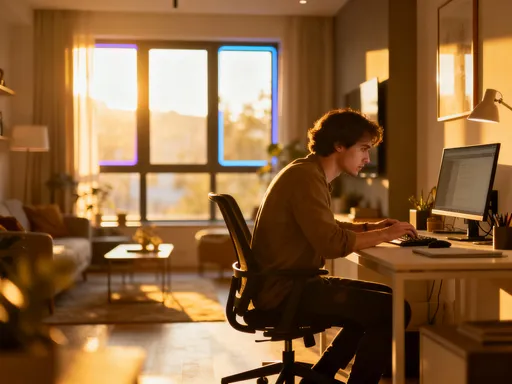
Let’s talk about something we all live with but rarely think about—our windows. They’re supposed to connect us to the outside world, bring in light, offer views of trees or sky. But if you’re like me, they’ve also been the source of a thousand tiny frustrations. Have you ever tried to finish an email at 3 p.m., only to squint at your screen because the sun’s turned your living room into a spotlight? Or woken up at 6 a.m. in July, blinds wide open, feeling like someone flipped on a stadium light in your bedroom? I have. More times than I can count.
And it’s not just about glare. I used to walk into my living room after being out all day and feel the heat radiating off the walls. My air conditioner would be running full blast, but the sun had already turned the space into a sauna. I’d stand there, frustrated, wondering why my energy bill was so high. At night, I’d worry about privacy—did the neighbors see straight into my kitchen when the lights were on? Did I forget to close the blinds again? These moments piled up, not as big crises, but as background noise in my daily life. A low hum of discomfort I’d learned to live with.
But here’s what took me years to realize: these aren’t just little annoyances. They affect how we feel. Constant glare strains your eyes and makes it harder to focus. Extreme heat or cold near windows makes your body work harder to regulate temperature, leaving you tired. Poor light in the morning can throw off your rhythm, making you groggy. And that feeling of being exposed at night? It chips away at your sense of safety and peace. We’ve normalized these issues because we thought we had no control. But what if we did? What if the solution wasn’t another thick curtain or a new AC unit, but something smarter—something that works with your life instead of against it?
What Smart Windows Actually Do (And What They Don’t)
When I first heard about smart windows, I pictured something out of a sci-fi movie—glass that turns opaque with a wave of your hand, or changes color like a mood ring. The truth is both simpler and more practical. Most smart window systems today aren’t about dramatic transformations. They’re about making small, consistent improvements that add up to real comfort. Think of it like a thermostat, but for sunlight. Instead of guessing when to open or close the blinds, the system senses what’s happening and adjusts automatically.
There are a few main ways this works. One is motorized shades or blinds—you control them with an app, voice command, or schedule. You can set them to close at noon on sunny days or open slowly in the morning. Another option is electrochromic glass, which can tint itself when it detects bright sunlight. This kind of glass doesn’t need blinds at all—it just darkens slightly to reduce glare and heat, then clears when the sun moves. There are also hybrid systems, like smart sensors that talk to your existing window treatments and adjust them based on temperature, light, or time of day.
What’s important to understand is that these systems don’t promise perfection. They won’t block out all noise or turn your home into a bunker. And no, you can’t turn your windows into a TV screen—despite what some ads might suggest. But what they *do* deliver is reliability. You no longer have to remember to close the blinds before leaving the house. You don’t have to get up in the middle of a movie to adjust the shade because the sunset’s hitting your eyes. The system handles it, quietly and consistently. And that small shift—from managing your environment to living in it—makes a bigger difference than you’d think.
The Hidden Feature No One Talks About: Adaptive Light for Better Days
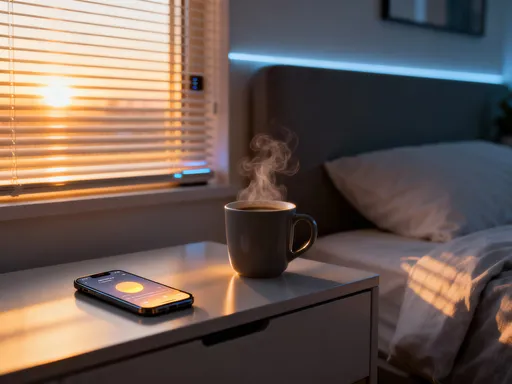
We talk a lot about convenience when it comes to smart home tech, but the real magic of smart windows is something more personal: how they help your body feel better. I didn’t expect this, but once I set up adaptive lighting, I noticed changes in my energy and sleep. Here’s how it works. In the morning, instead of being jolted awake by full sunlight or a blaring alarm, my shades rise slowly, letting in more light over 15 to 20 minutes. It feels like a natural sunrise, even in the middle of winter. My body wakes up more gently, and I don’t feel that groggy, dragged-out sensation.
In the evening, the reverse happens. Around 7 p.m., the shades begin to close, and the tint in my glass deepens slightly. The light inside becomes warmer and softer, signaling to my brain that it’s time to wind down. I’ve noticed I feel less wired at night, even if I’ve been on screens all day. This isn’t magic—it’s science. Our bodies run on circadian rhythms, which are heavily influenced by light. Bright, blue-rich light keeps us alert. Warm, dim light prepares us for sleep. Smart windows can mimic this natural pattern without us having to think about it.
I remember one Sunday, I had a headache and just wanted to rest. I used a voice command to activate “quiet mode,” which dimmed all the shades and blocked the afternoon sun. I lay on the couch, and for the first time in weeks, I actually fell asleep—easily, peacefully. When I woke up, the shades had already adjusted to let in softer light. It felt like the house was looking out for me. That’s when it hit me: this isn’t just about comfort. It’s about creating a space that supports your well-being, not just your productivity.
Making It Work for Real Life: Simple Setups That Deliver Daily Wins
You might be thinking, “This sounds great, but isn’t it expensive? Do I need to replace all my windows?” I thought the same. But the good news is, you don’t have to go all-in to see benefits. I started small—just one room. I installed smart shades in my home office, which was always the worst for glare. I paired them with a simple app that lets me control them from my phone or set a schedule. Now, every weekday at 9 a.m., the shades open. At 5 p.m., they close. On weekends, they open later. It took me 20 minutes to set up, and it’s made a huge difference.
Then I added a weather-based rule: if the forecast shows a hot day, the shades close earlier to keep the heat out. I didn’t even realize how much that helped until I compared my energy bills. My AC runs less, and the room stays cooler longer. Another trick I love is geofencing. When my phone detects that I’ve left the house, the shades close automatically. No more wondering, “Did I remember to close the blinds?” It’s one less thing to worry about.
If you’re not ready for motorized shades, there are even simpler options. Some systems use UV sensors that attach to your window frame and connect to a motor you clip onto your existing blinds. When the sun gets too strong, it triggers the motor to close the blinds. It’s low-cost, easy to install, and works really well. And if you have a voice assistant like Alexa or Google Assistant, you can add voice control in minutes. I’ve taught my kids to say, “Hey Google, close the kitchen blinds,” and they love it. It’s not about having the fanciest system—it’s about finding what fits your life and starting there.
Beyond Comfort: Unexpected Perks for Focus, Privacy, and Peace
Once the basics were working, I started noticing benefits I hadn’t expected. One of the biggest? Focus. I used to struggle with distractions during work calls, especially when the light changed suddenly or I had to adjust the blinds mid-conversation. Now, my office has a “focus mode” that dims the shades during work hours. The room stays consistently lit, my screen is glare-free, and I can actually see my colleagues’ faces on video. It sounds small, but it’s made my remote work feel more professional and less stressful.
Privacy has also improved. I used to worry about people seeing in at night, especially in the winter when it gets dark early. Now, my shades close automatically at sunset. I don’t have to remember. I don’t have to get up. And because the system adjusts to the season, it closes earlier in December and later in June. It’s one of those things that seems minor until you experience it—then you wonder how you lived without it.
And here’s something I never thought about: my plants. I have a few houseplants near the living room window, and they used to get scorched in the summer or stretched and weak in the winter. Now, the smart tint adjusts to filter harsh midday sun but still lets in plenty of light in the morning and late afternoon. My peace lily actually bloomed last spring—something it hadn’t done in three years. It’s a small win, but it reminded me that a stable, balanced environment benefits everything in it, not just the people.
Family and Home: How Shared Spaces Became Easier to Live In
In a shared home, small things can become big sources of tension. Before smart windows, my family had a standing joke: “Who forgot to close the blinds?” It wasn’t really a joke. Someone would come home to a sweltering house, or wake up too early because the shades were open, and there’d be a little friction. It wasn’t about the blinds—it was about the feeling of being inconvenienced by someone else’s forgetfulness.
Automation removed that. Now, the house manages itself. No one has to remember. No one has to ask. And because we can set different zones—like keeping the bedroom shades closed longer on weekends—everyone gets the light they want, when they want it. My daughter loves that her room gets bright in the morning for school, while I can keep mine dim a little longer on weekends. We don’t have to negotiate. The system just knows.
For families with kids, this kind of consistency can be a game-changer. Mornings are calmer when the light comes in gently instead of all at once. Bedtime routines go smoother when the house naturally starts to quiet down, with lights dimming and shades closing. I’ve even used a “homework mode” that reduces glare in the kitchen nook where my son studies. He finishes faster, with less complaining. It’s not that the tech is doing the work—it’s that it’s removing the little barriers that make everything harder.
Why This Matters More Than You Think: Quiet Tech That Supports Your Life
Looking back, I realize the biggest change wasn’t in my home—it was in how I feel inside it. The constant low-level stress of managing light, heat, and privacy has faded. I don’t dread sunny afternoons anymore. I don’t wake up squinting. I don’t worry about whether I left the blinds open. Instead, I feel a quiet sense of calm, like my home is finally working with me, not against me.
That’s the thing about the best technology—it doesn’t shout for attention. It doesn’t require you to learn a new app or troubleshoot a glitch. It just works. And when it works well, you stop noticing it. You only notice the result: a space that feels balanced, peaceful, and deeply livable. You notice that you’re more focused during the day, sleep better at night, and feel more in control of your environment—even though you’re doing less.
Smart window management isn’t about luxury or show. It’s about dignity. It’s about creating a home that respects your time, your energy, and your well-being. It’s about reclaiming those small moments of peace that we’ve let slip away. And for me, it’s been one of the most meaningful upgrades I’ve made—not because it’s flashy, but because it’s quiet, consistent, and kind. It doesn’t change your life all at once. It just makes every day a little better, one gentle adjustment at a time.