I kept forgetting my rewards points: How a simple app helped me stop wasting free perks
We’ve all been there—standing at the checkout, realizing too late that we forgot to bring our loyalty card, or missing out on rewards we’ve actually earned. It feels frustrating, almost like throwing money away. But what if your phone could quietly keep track of all your memberships, points, and benefits—no stress, no clutter, just effortless savings? I felt the same until one small change made me wonder why I hadn’t done it sooner. It wasn’t a big life overhaul, just one smart little tool that slipped seamlessly into my routine and started working behind the scenes. Now, I don’t have to remember a thing—and I’m saving more than ever.
The Hidden Cost of Forgotten Perks
Let’s be honest—how many times have you walked out of a store and suddenly thought, “Wait, I have a rewards card for this!”? Or worse, received an email reminder that your points were about to expire, and you hadn’t even known they existed? These moments add up, and not just emotionally. There’s a real cost to ignoring the benefits we’ve already earned. Think about it: the coffee shop that gives you a free drink after ten purchases, the department store that offers birthday discounts, the credit card that gives cash back on groceries. Each one is a small gift, a thank-you for being loyal. But when they’re scattered across wallets, email inboxes, and browser bookmarks, they become invisible.
And it’s not just about the money, though that’s part of it. It’s the feeling of being disorganized, of missing out on something that was already yours. I used to carry a little wallet insert with my most-used cards—grocery, pharmacy, a few favorite boutiques. But even that wasn’t enough. I’d forget to pull it out, or the card would fall out, or I’d sign up online and never link it to my account. Over time, I started to feel like I was doing everything wrong. I’d tell myself, “I’ll remember next time,” but next time always slipped through the cracks. The worst part? I wasn’t alone. I started asking friends and neighbors, and nearly every mom I talked to had the same story. We’re busy. We’re juggling schedules, meals, errands, and a hundred mental to-dos. Remembering to bring a punch card for a free latte isn’t exactly top priority. But that doesn’t mean we should let those perks disappear.
What I realized is that the problem wasn’t me. It wasn’t that I was forgetful or bad with money. The system was broken. We’re expected to manage a growing number of memberships, rewards, and digital accounts without any real tools to help us. It’s like asking someone to carry ten different keys for ten different doors—but only giving them one keyring. Something’s going to get lost. And when it does, we feel guilty, like we’ve wasted an opportunity. But guilt doesn’t help. What we need is a better way—one that fits into our real lives, not some perfect, Pinterest-worthy version of them.
When I Realized I Was Leaving Money on the Table
The wake-up call came on a rainy Tuesday morning. I was rushing to drop the kids at school, then head to a doctor’s appointment, and I thought, “I deserve a coffee.” So I stopped at my favorite café, the one that gives you a free drink on your birthday. I’d signed up months ago, and they’d sent me a reminder email. I even marked it on my calendar. But that day, I didn’t have my card with me—because it was digital, and I hadn’t added it to my phone. The barista smiled and said, “Sorry, we can’t honor it without proof.” I stood there, coffee-less and disappointed, thinking, “I earned this. I’ve been coming here for years.”
That moment stuck with me. Later that week, I sat down with a notebook and started listing every rewards program I was part of. Grocery store? Check. Pharmacy? Check. Two department stores, a gas station, a streaming service referral bonus, a credit card with travel points—I had more than I realized. Then I made a second list: how many times I’d missed out in the past month. The number shocked me. Three forgotten discounts. Two expired coupons. One unused birthday reward. A hotel loyalty point balance that hadn’t been touched in over a year. I estimated I’d left at least $75 on the table—money I could have used for groceries, gas, or even a small treat for the family.
What really hit me wasn’t the dollar amount, though. It was the pattern. I wasn’t just missing out on free coffee. I was missing out on peace of mind. Every time I forgot a reward, it added a tiny layer of stress. “Did I use my points?” “Is this coupon still valid?” “Should I have signed up for that referral?” It was mental clutter, and it was weighing on me. I didn’t want to give up these benefits—I just wanted a way to use them without thinking about them. That’s when I started looking for a solution. Not another thing to manage, but something that would work quietly in the background, like a smart assistant for my everyday life.
Not Another App—But the One That Finally Stuck
I’ll admit, I was skeptical. I’d tried other apps before—password managers, note-taking tools, even spreadsheets. But they all felt like extra work. A password manager keeps my logins safe, but it doesn’t remind me that my pharmacy points expire in two weeks. A note app is great for grocery lists, but not for tracking loyalty stamps. And a spreadsheet? That’s just another chore. I didn’t need more complexity. I needed simplicity. What I found was an app designed for exactly this—tracking memberships, rewards, and benefits in one place. No flashy features, no complicated setup. Just a clean, easy-to-use interface that felt like it was made for real life.
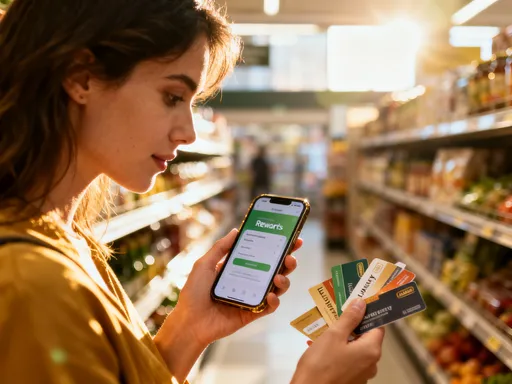
The first thing I did was scan my physical cards. I opened the app, tapped “Add Card,” and used my phone’s camera to scan the barcodes. It took less than a minute per card. Then, I linked my online accounts—my grocery store loyalty, my credit card rewards, my streaming service. Some connected instantly; others just asked for my login info, which I entered securely. The app didn’t store my passwords—it just synced with the official sites, so I didn’t have to worry about safety. Within an hour, everything was in one place. My points, my balances, my upcoming rewards—all visible at a glance.
But the real magic was in the little things. The app started sending me quiet reminders: “Your coffee punch card is at 9/10—just one more visit for a free drink!” or “Your pharmacy points expire in 7 days.” No nagging, no spam—just gentle nudges at the right time. I didn’t have to check in every day. The app checked in with me. And because it was on my phone, I always had access. No more digging through my wallet or searching my email. If I was at the store, I could pull up my digital card with one tap. It felt less like using technology and more like having a helpful friend who remembers the things I don’t.
How It Quietly Changed My Daily Routines
At first, I didn’t notice the difference. But after a few weeks, I started to see how smoothly things were running. I walked into the coffee shop, opened the app, and showed my digital card—no fumbling, no forgetting. I got my free birthday drink, not because I remembered, but because the app reminded me the night before. I saved $12 on groceries because the app notified me that my points were about to expire, and I used them on a big shopping trip. Even small things felt better. When I filled up my gas tank, I didn’t have to dig for my rewards card—the app had it ready.
What surprised me most was how it changed my mindset. I stopped feeling like I was missing out. Instead, I started feeling like I was in control. The app didn’t make me shop more or chase deals—I still made the same choices. But now, my loyalty was being recognized. I wasn’t leaving value on the table. And because the app learned my habits, it started offering smart suggestions. “You’re at the pharmacy—use your points today?” or “You’ve earned a free shipping pass—want to check out now?” These weren’t pushy ads. They were helpful prompts, like a little voice saying, “Hey, don’t forget—you’ve got this.”
It even made travel easier. I linked my hotel and airline rewards, and now when I booked a trip, the app reminded me to use my points. I didn’t have to log into five different accounts or search through old emails. Everything was in one place. My last family vacation included a free night at a hotel—something I wouldn’t have claimed if I hadn’t been reminded. That night saved us over $150, and it felt amazing to know we’d earned it. The app didn’t change my life in a dramatic way. It just made the small things easier, and those small things added up to something bigger.
It’s Not Just About Saving Money—It’s About Peace of Mind
Here’s what no one talks about: the emotional weight of disorganization. It’s not just about losing a few dollars here and there. It’s the constant low-level anxiety of wondering, “Did I miss something?” That feeling of being just a little behind, a little scattered, a little out of control. For moms, for busy women, for anyone juggling a full life, that mental load is real. And when you add something as simple as forgotten rewards to the mix, it becomes one more thing to manage.
But when I started using this app, something shifted. I didn’t just save money—I saved mental energy. I no longer had to remember expiration dates or track punch cards. I didn’t have to feel guilty for missing out. The app handled it. And that freed me up to focus on what really mattered—my family, my time, my well-being. I started to feel more confident in my choices. When I shopped, I knew I was getting the most value. When I planned a trip, I knew I was using every perk I’d earned. It wasn’t about being cheap or obsessive. It was about honoring the loyalty I’d built over time.
And it helped my family too. I shared certain accounts with my husband—like our grocery and gas rewards—so he could access them when he ran errands. No more texting back and forth: “Do we have points at the pharmacy?” “Is the loyalty card in your wallet?” Now, he just opens the app and checks. It reduced little arguments and made us feel more connected. Even my teenage daughter started using it for her favorite stores. She loved getting free items without having to remember anything. It became a family tool, not just a personal one. And that, more than anything, gave me a sense of calm. We were all winning—effortlessly.
Making It Work for Your Life—Not the Other Way Around
If you’re thinking about trying something like this, here’s my advice: start small. Don’t try to add every single membership at once. Pick three that matter most to you—maybe your grocery store, your pharmacy, and your favorite coffee shop. Add those first. Scan the cards, link the accounts, and get comfortable with how the app works. You don’t have to be perfect. You don’t even have to do it all in one day. The goal isn’t to track everything. It’s to make the most valuable benefits easy to use.
Use the features that feel natural. If your app has auto-sync, turn it on. That way, your points update automatically, and you don’t have to log in every week. Set up reminders, but keep them low-pressure—like a gentle heads-up, not a flashing alarm. And don’t worry if you miss a reward now and then. This isn’t about perfection. It’s about progress. Over time, it becomes a habit—like brushing your teeth or checking the weather. You don’t think about it; you just do it.
And remember, this isn’t about becoming a rewards expert or chasing every deal. It’s about using the tools you already have to live a little easier. The app isn’t replacing your judgment. It’s supporting it. It’s not making you more frugal; it’s helping you get what you’ve already earned. And that’s a win in any language. I used to think technology had to be flashy to be useful—big gadgets, complex systems, time-consuming setups. But the truth is, the best tech is often the quietest. It doesn’t demand your attention. It just helps you live better, one small win at a time.
A Smarter Way to Live—One Small Win at a Time
Looking back, I can’t believe I waited so long to try this. It wasn’t expensive. It didn’t take hours to set up. And it didn’t change my life in a dramatic way. But it did change how I feel every day. I feel more organized, more in control, more at ease. I’m not chasing savings—I’m simply stopping the leaks. And that makes a bigger difference than I ever expected.
This isn’t about being a tech whiz or a budgeting guru. It’s about being a smart, busy woman who wants to make life a little easier. We work hard. We care for our families. We deserve to get the most out of what we already have. And sometimes, the simplest tools are the most powerful. That little app didn’t just help me remember my rewards—it helped me remember to take care of myself. It reminded me that small steps matter. That consistency beats perfection. That peace of mind is worth more than any discount.
So if you’ve ever stood at the checkout and thought, “I had a card for this,” or missed a free birthday treat, know this: you’re not alone. And you don’t have to keep doing it the hard way. There’s a better way—one that fits into your real life, your real schedule, your real priorities. It won’t solve everything. But it will help you stop wasting what you’ve earned. And sometimes, that’s exactly what we need: a little reminder that we’re doing just fine, one small win at a time.