Beyond Fun: How Gaming Apps Gave Me Back My Personal Time and Peace
Remember those days when scrolling mindlessly left you drained instead of refreshed? I did. I used to lose hours to games without feeling any real joy—until I started using gaming apps differently. Not as distractions, but as tools to reclaim my focus, reset my mood, and protect my personal space. What if your phone could actually help you feel more in control? This is how gaming entertainment quietly transformed my daily life in ways I never expected. It wasn’t about quitting technology, but about reshaping it to serve me—not the other way around. And honestly, it changed everything.
The Hidden Cost of Digital Downtime
Let’s be real—most of us turn to our phones when we need a break. After a long day of managing schedules, cooking meals, and keeping up with everyone else’s needs, we just want five minutes to ourselves. So we tap open a game. Maybe it’s a colorful match-three puzzle or a fast-paced runner game. We tell ourselves it’s relaxing. But how often does it actually leave us feeling refreshed?
I used to fall into the same trap. I’d finish helping the kids with homework, put the laundry in, and finally sit down—only to spend the next hour swiping and tapping without even realizing it. When I finally looked up, I felt worse. My eyes were tired, my mind was foggy, and I hadn’t truly rested at all. The game didn’t calm me. It just kept me busy. I started asking myself: why do I feel more exhausted after something that’s supposed to be fun?
That’s when I realized the problem wasn’t gaming itself—it was how I was using it. I wasn’t playing with intention. I was using games as an escape hatch, a way to mentally check out without actually recharging. And that kind of digital downtime doesn’t restore you. It depletes you. It’s like eating candy for dinner—you get a quick burst of energy, but you’re left hungry and jittery soon after. What I really needed wasn’t more screen time. I needed better screen time. Time that actually helped me feel like myself again.
And that shift—from passive scrolling to purposeful pause—was the beginning of something bigger. It wasn’t about deleting every game or swearing off my phone. It was about redefining what digital leisure could do for me. Could it actually help me breathe? Could it give me back a sense of calm instead of stealing it? I decided to find out.
Rethinking Gaming: From Escape to Intentional Pause
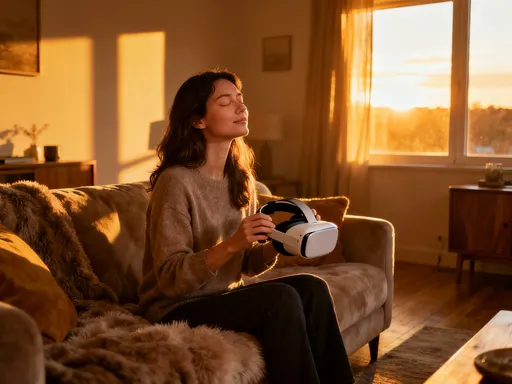
The real change started when I stopped seeing gaming as something I did to avoid my thoughts and started seeing it as a way to reset them. That sounds small, but it made all the difference. Instead of playing when I was already overwhelmed, I began using short gaming sessions as transitions—like a mental palate cleanser between one part of my day and the next.
For example, after a long work call or a tense conversation with a family member, I’d feel my shoulders tense and my thoughts race. Before, I’d either push through or shut down. Now, I give myself permission to play for just ten minutes. But not just any game. I look for ones that are calming but engaging—games with soft colors, gentle music, and simple mechanics. No timers. No pressure. No endless levels that pull me in. Think of it like choosing herbal tea over coffee when you need to unwind. The experience matters.
I found that these short, intentional sessions actually helped me shift gears. It wasn’t about getting lost in the game. It was about using the rhythm of tapping or swiping to bring my mind back to the present. One game I love is a simple puzzle where you connect dots to form patterns. It’s not flashy, but it’s satisfying. I noticed that after just a few rounds, my breathing slowed, and the knot in my chest loosened. It felt less like escaping and more like returning—to myself.
This wasn’t about gaming less. It was about gaming with purpose. And that subtle shift changed how I felt about my phone. Instead of seeing it as a source of distraction, I started to see it as a tool for emotional regulation. I wasn’t hiding from life. I was creating tiny moments of peace within it.
Designing My Digital Sanctuary
We all need a space where we can just be—no demands, no expectations, no noise. For some, it’s a favorite armchair. For others, it’s a quiet walk. For me, that space is now on my phone—but only because I redesigned it on purpose. I realized that my digital environment was just as important as my physical one. If my kitchen is cluttered, I feel stressed. The same goes for my screen.
So I did a full audit of my gaming apps. I asked myself: does this app leave me feeling better, or just busier? If the answer was “busier,” it got deleted. No guilt. No second chances. I kept only the games that felt like a treat, not a trap. The ones that let me play for a few minutes and then let me walk away without craving more. I started treating my phone like a personal wellness toolkit—curating it with care, not chance.
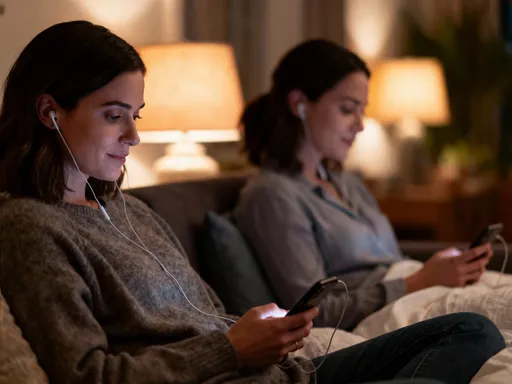
I also set simple rules. No gaming during meals. No playing in bed after lights out. And most importantly: only 10 to 15 minutes at a time, usually right after work or during a midday break. I even turned off notifications for all games. That one move made a huge difference. Without constant pings telling me to “come back and play,” I could choose when to engage—on my terms.
And here’s the surprising part: the fewer games I had, the more I enjoyed the ones I kept. It was like having a smaller, more meaningful wardrobe. Everything I kept served a purpose. One game helps me focus when my mind feels scattered. Another lifts my mood when I’m feeling low. They’re not distractions. They’re supports. And by designing this digital sanctuary, I created a space where technology serves me—quietly, gently, and without taking over.
Gaming as Emotional Regulation
Some days, I don’t need to be productive. I need to be okay. And on those days, I’ve learned that a well-chosen game can be a powerful ally. There was one afternoon last winter when everything felt heavy. The house was quiet, the sky was gray, and I was stuck in a loop of negative thoughts. I didn’t want to talk to anyone. I didn’t want to clean. I didn’t even want to scroll through social media. But I knew I couldn’t just sit there.
So I opened a rhythm-based game I’d downloaded months ago. It wasn’t anything fancy—just tapping along to soft music with flowing animations. I played for about eight minutes. No goals. No scores. Just movement and sound. And slowly, something shifted. My hands stopped feeling stiff. My breathing matched the beat. The tightness in my chest eased. It wasn’t magic. But it was real. That small act of playful interaction gave my mind a different rhythm to follow—one that wasn’t made of worry or to-do lists.
I’ve since realized that games can be a form of emotional first aid. When I’m overwhelmed, a simple puzzle game helps me regain focus. When I’m sad, a gentle, story-based game reminds me of joy. When I’m restless, a quick word game gives my mind something light to hold onto. These aren’t replacements for deeper healing or professional support. But they are accessible, immediate tools that help me reset when I’m off balance.
And the best part? They don’t require a lot of energy to start. That’s key when you’re already running low. I don’t have to motivate myself to go for a run or start a journal. I just tap an icon. And that small action can be the first step back to feeling like myself. It’s not about escaping emotions. It’s about moving through them—with a little help from something playful and kind.
Protecting Boundaries in a Connected World
Let’s face it: personal space is hard to come by these days. Our phones buzz constantly. Our inboxes never empty. Our families need us—right now, right this minute. And while I love my life, I’ve learned that being “always on” comes at a cost. Without clear boundaries, I start to feel drained, reactive, and resentful. I needed a way to create soft pauses—moments where I could step back, breathe, and return with presence.
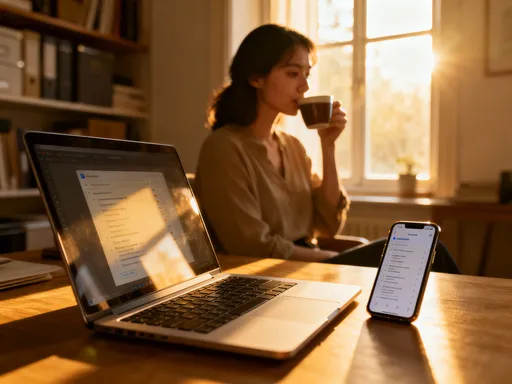
That’s where gaming stepped in—unexpectedly. I started using short play sessions as buffer zones. For example, after a work meeting, instead of jumping straight into answering emails or helping with homework, I’d play one round of a calming puzzle game. Just five minutes. No distractions. Just me and the screen. That tiny pause became my reset button.
It wasn’t about avoiding responsibilities. It was about protecting my energy so I could show up for them better. Think of it like putting on your oxygen mask first. If I don’t take a moment to decompress, I’m more likely to snap at the kids or shut down during a conversation. But after a few minutes of intentional play, I feel more centered. I can listen. I can laugh. I can be present.
And the beauty of it is that these pauses are invisible to others. No one knows I’m using a game to recharge. But I feel the difference. It’s like having a secret tool that helps me stay grounded in a world that never stops moving. These micro-moments of play aren’t indulgences. They’re acts of self-preservation. And they’ve helped me maintain my calm—even on the busiest days.
Sharing Space Without Losing It
One thing I used to worry about was whether using gaming apps would make me seem distant or disconnected—especially from my family. I didn’t want to be the mom who’s always on her phone. So at first, I felt guilty when I played, even for just a few minutes. But over time, I noticed something surprising: the opposite was true.
Because I was giving myself those small, intentional breaks, I actually became more available—emotionally and mentally. I wasn’t holding onto the stress of the day. I wasn’t carrying tension into dinner conversations. I wasn’t snapping over small things. My partner even commented, “You seem lighter lately.” That meant more than I can say.
And here’s the thing: I didn’t have to isolate myself to get that relief. I didn’t need to lock myself in the bathroom or take long walks to get space. I could recharge right where I was—sitting on the couch, waiting for the pasta to boil, or during a quiet moment before bedtime. That flexibility made self-care feel possible, even on the most ordinary days.
I also found that my kids respected my boundaries more when I was consistent. When I said, “Mommy’s playing for five minutes, then I’m all yours,” they learned to wait. And when I came back, I was truly present. No half-attention. No distracted replies. Just me, fully there. In a way, those short gaming pauses taught me how to be better at being with others—because I wasn’t trying to escape them. I was learning how to return to them with more to give.
A New Kind of Digital Balance
Looking back, I realize that my relationship with gaming apps wasn’t the problem. It was my relationship with myself—and how I allowed technology to shape it. When I used games to numb out, they left me empty. But when I used them with care and intention, they became a source of strength.
This journey wasn’t about screen time. It was about emotional time. It was about asking: what do I want this moment to do for me? Do I want to be drained, or do I want to feel restored? Do I want to lose myself, or do I want to find myself again? Those questions changed everything.
Now, my phone isn’t a battleground. It’s a quiet ally. The games I keep are like trusted friends—there when I need them, but never demanding. I don’t play every day. But when I do, it’s because I’ve chosen it—because I know it will help me feel more like me.
If you’ve ever felt guilty about using your phone “too much,” I want you to know: it’s not about the device. It’s about how you use it. You don’t have to delete everything or go on a digital detox to reclaim your peace. You just need to be intentional. Audit your apps. Keep what serves you. Set small, kind boundaries. And give yourself permission to use technology in ways that truly support your well-being.
Because you deserve moments of calm. You deserve to feel in control. And you deserve to enjoy the tools at your fingertips—not just endure them. Let your phone be more than a distraction. Let it be a doorway to peace, one mindful tap at a time.